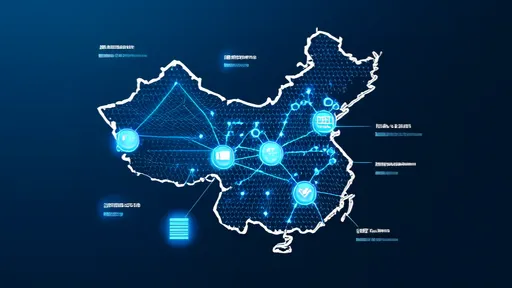
China's recent unveiling of its comprehensive "AI Plus" initiative has sent ripples across global markets, with analysts and investors scrambling to identify the sectors poised for the most significant transformation and growth. This ambitious policy directive aims to deeply integrate artificial intelligence with the real economy, fostering a new wave of technological innovation and industrial upgrading. The move is widely seen as a strategic effort to secure a dominant position in the global AI race, and its implications extend far beyond the technology sector itself, promising to reshape the very fabric of the nation's economic landscape.
The most immediate and profound impact is expected within the core technology and industrial automation sectors. Companies specializing in AI chips, semiconductors, cloud computing infrastructure, and big data analytics are positioned at the very heart of this transformation. The initiative calls for a massive push in developing domestic capabilities in these foundational areas, reducing reliance on foreign technology. This translates into substantial government support, increased R&D funding, and a surge in demand for advanced hardware and software solutions. Industrial automation firms that develop AI-powered robotics, smart sensors, and intelligent control systems for manufacturing will find themselves in an enviable position as factories across China race to upgrade into "smart" facilities.
Another major beneficiary is the healthcare and biotechnology industry. The "AI Plus" action opinion explicitly promotes the application of AI in drug discovery, medical imaging, personalized medicine, and health management. This opens a vast frontier for biotech firms and medical device manufacturers to innovate and capture new markets. AI algorithms can drastically reduce the time and cost associated with developing new pharmaceuticals by predicting molecular behavior and simulating clinical trials. In diagnostics, AI-enhanced imaging systems can detect diseases like cancer with greater accuracy and at earlier stages. The policy support will likely accelerate regulatory approvals for AI-driven medical products and encourage partnerships between tech companies and healthcare providers.
The financial services sector is also slated for a monumental shift. Fintech companies and traditional financial institutions alike are leveraging AI for a multitude of applications, from algorithmic trading and risk management to fraud detection and personalized customer service. The initiative encourages the development of more sophisticated AI models for credit scoring, especially for underserved segments of the market like small and medium-sized enterprises. Furthermore, the integration of AI is expected to be a cornerstone in the development and regulation of China's digital currency ecosystem, making financial operations more efficient, secure, and inclusive.
Perhaps one of the most visible changes for the average citizen will occur in the transportation and logistics arena. The autonomous vehicle industry, encompassing everything from self-driving car software and sensors to smart traffic management systems, receives a powerful endorsement from the government. This will accelerate the testing and deployment of autonomous trucks for logistics and passenger vehicles for ride-hailing services. Beyond self-driving cars, AI optimization will revolutionize supply chain management, warehouse automation, and delivery networks, making the entire flow of goods faster, cheaper, and more responsive to real-time demand. The education and human resources landscape is another area primed for disruption.
The policy promotes adaptive learning platforms that use AI to tailor educational content to individual student's pace and learning style, potentially bridging educational gaps. For corporations, AI-driven platforms for talent acquisition, employee training, and performance prediction will become increasingly vital. This creates significant opportunities for EdTech companies to develop new tools and for businesses to optimize their workforce in an era where skills requirements are rapidly evolving due to AI itself. Finally, the energy and utilities sector stands to gain immensely through the creation of "smart grids." AI can optimize energy distribution, predict demand patterns to prevent outages, and integrate renewable energy sources more efficiently into the national grid. This not only promotes sustainability but also enhances energy security. Companies involved in smart meter technology, grid management software, and renewable energy operations will be critical partners in building this intelligent infrastructure.
In conclusion, China's "AI Plus" action is far more than a tech policy; it is a comprehensive economic strategy designed to future-proof its industries. While the technology sector is the obvious engine, the true beneficiaries are the traditional sectors that successfully embrace and integrate AI. The initiative creates a powerful tailwind for companies in industrial automation, healthcare, finance, transportation, education, and energy. This concerted push is likely to catalyze a new cycle of innovation, productivity gains, and market growth, solidifying China's ambition to be a global leader in the AI-driven economy of the future.
By /Aug 28, 2025

By /Aug 28, 2025

By /Aug 28, 2025

By /Aug 28, 2025
By /Aug 28, 2025

By /Aug 28, 2025

By /Aug 28, 2025

By /Aug 28, 2025

By /Aug 28, 2025

By /Aug 28, 2025

By /Aug 28, 2025

By /Aug 28, 2025

By /Aug 28, 2025

By /Aug 28, 2025

By /Aug 28, 2025

By /Aug 28, 2025

By /Aug 28, 2025

By /Aug 28, 2025

By /Aug 28, 2025

By /Aug 28, 2025
