The global commodities landscape is once again at a pivotal crossroads, with investors, policymakers, and industry leaders grappling with a fundamental question: has the latest supercycle reached its conclusion? The roaring rally that characterized post-pandemic markets—driven by supply chain disruptions, unprecedented fiscal stimulus, and a robust recovery in demand—appears to have lost momentum. Yet, declaring the end of this cycle may be premature. Structural shifts in energy transition, geopolitical realignments, and persistent inflationary pressures suggest that we may be witnessing not an endpoint, but an evolution.
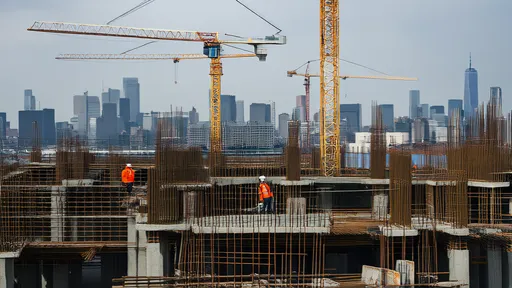
Commodity supercycles are historically protracted periods of above-trend price movements, often spanning decades rather than years. They are fueled by transformative economic developments—industrialization, technological leaps, or large-scale societal changes. The most recent supercycle, which began in the early 2000s, was underpinned by China’s insatiable appetite for raw materials as it built cities, infrastructure, and export capacity at a breathtaking pace. When China’s growth moderated and supply eventually caught up, prices retreated, leading many to believe the era had ended. Then came the pandemic, and with it, a new surge.
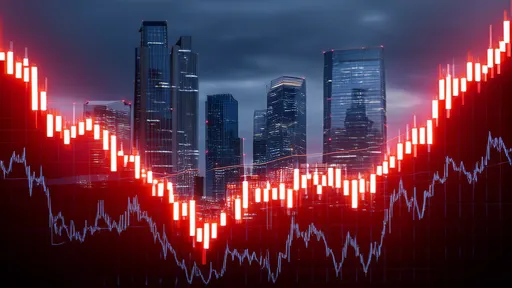
This latest phase saw commodities like oil, copper, lithium, and agricultural products soar to multi-year highs. Supply could not keep pace with rebounding demand, while logistics snarls and labor shortages exacerbated shortages. Investors flocked to real assets as a hedge against inflation, and governments launched green energy initiatives that turbocharged interest in critical minerals. For a time, it seemed like a perfect storm of bullish factors. But recent months have brought a noticeable cooling. Central banks have aggressively tightened monetary policy, recession fears loom in major economies, and Chinese demand has faltered amid property sector woes and sporadic COVID lockdowns. These headwinds have undeniably taken the heat out of the rally.
However, labeling this downturn as the finale of the supercycle overlooks deeper, more persistent drivers. The global energy transition, for instance, is not a transient theme but a multi-decade realignment of capital and resources. Copper—vital for electrification—may face short-term demand uncertainty, but its long-term outlook remains robust as renewables and electric vehicle infrastructure expand. Similarly, lithium and cobalt prices may fluctuate, but the structural demand for batteries is entrenched. Even traditional energy sources like oil and gas are experiencing a paradigm shift; underinvestment in new fossil fuel projects, coupled with political pressures, could lead to tighter supplies and renewed volatility ahead.
Geopolitics further complicates the narrative. The war in Ukraine has redrawn global trade routes for commodities like wheat, natural gas, and fertilizers. Sanctions, counter-sanctions, and the weaponization of supply chains have introduced a new layer of risk and fragmentation. Reliance on strategic resources from politically unstable or adversarial regions has prompted a push for reshoring and friend-shoring of supply chains. This recalibration will sustain demand for certain commodities while creating new pockets of scarcity and price pressure.
Moreover, inflation—though moderating in some regions—remains stubbornly high. Commodities have traditionally served as a store of value during inflationary periods, and with central banks walking a tightrope between controlling prices and avoiding deep recessions, the environment may remain conducive to commodity investments. Physical assets offer a tangible hedge against currency debasement and uncertain equity markets, a narrative that resonates deeply in the current climate.
On the other hand, it would be naive to ignore the real economic slowdown unfolding in parts of the world. Europe hovers on the brink of recession, the United States is navigating a soft landing, and China’s recovery has been uneven. These macroeconomic challenges will undoubtedly suppress demand for industrial metals, energy, and bulk commodities in the near term. Yet, history shows that supercycles are punctuated by corrections and periods of consolidation. What defines a supercycle is not uninterrupted price appreciation, but a sustained upward trend in real prices over a long horizon, driven by epoch-defining structural changes.
Today’s transformative forces—climate change response, technological disruption, and geopolitical fragmentation—are of a scale comparable to the industrialization waves of the past. The difference this time is the added complexity of navigating a post-pandemic world with higher debt levels, greater income inequality, and more polarized politics. These factors inject volatility and uncertainty, making it harder to discern the cycle’s direction. Market participants must therefore look beyond quarterly earnings and monthly data prints to broader trends shaping the next decade.
In conclusion, while the explosive price gains of the past two years have moderated, the underpinnings of the commodities supercycle remain intact. We are likely in a phase of digestion and realignment rather than termination. Investors should expect continued volatility and sectoral divergence—precious metals may shine in a risk-off environment, while green metals could decouple from economic cycles due to policy support. The key is to recognize that supercycles do not die quietly; they mutate. And the current one is being reshaped by forces that ensure commodities will stay at the forefront of global economic and strategic discussions for years to come.
By /Aug 28, 2025
By /Aug 28, 2025

By /Aug 28, 2025

By /Aug 28, 2025
By /Aug 28, 2025

By /Aug 28, 2025
By /Aug 28, 2025
By /Aug 28, 2025
By /Aug 28, 2025

By /Aug 28, 2025

By /Aug 28, 2025
By /Aug 28, 2025

By /Aug 28, 2025

By /Aug 28, 2025

By /Aug 28, 2025

By /Aug 28, 2025
By /Aug 28, 2025

By /Aug 28, 2025
By /Aug 28, 2025
By /Aug 28, 2025
