The concept of a healthcare resource-sharing platform has gained significant traction in recent years as governments, hospitals, and private organizations seek innovative ways to optimize medical services. These platforms aim to bridge gaps in healthcare accessibility, reduce inefficiencies, and improve patient outcomes by enabling seamless collaboration among stakeholders. The push for such systems has been further accelerated by the global pandemic, which exposed critical weaknesses in traditional healthcare infrastructure.
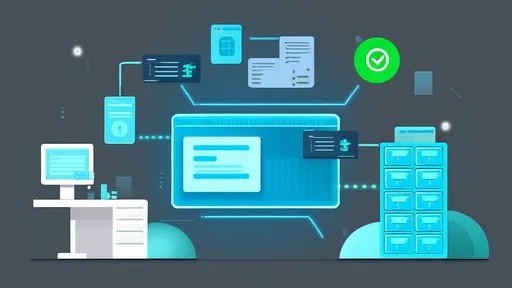
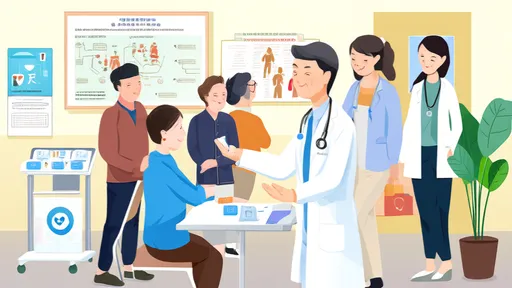
At its core, a medical resource-sharing platform functions as a digital ecosystem where hospitals, clinics, and even individual practitioners can exchange equipment, expertise, and patient data. This interconnected approach not only minimizes waste but also ensures that underserved communities gain access to quality care. For instance, a rural clinic lacking specialized diagnostic tools can leverage the platform to connect with urban hospitals, allowing patients to receive timely evaluations without the need for costly and inconvenient travel.
The technological backbone of these platforms often includes cloud computing, artificial intelligence, and blockchain. Cloud-based solutions facilitate real-time data sharing, while AI algorithms help predict demand surges and allocate resources accordingly. Blockchain, on the other hand, enhances security and transparency, ensuring that sensitive patient information remains protected. These technologies collectively create a robust framework that can adapt to the dynamic nature of healthcare demands.
One of the most compelling advantages of healthcare resource-sharing platforms is their ability to democratize medical expertise. In many regions, specialist doctors are concentrated in major cities, leaving peripheral areas with limited options. Through telemedicine integrations, these platforms enable remote consultations, effectively bringing specialists to patients rather than the other way around. This not only improves healthcare equity but also reduces the burden on overcrowded urban hospitals.
Despite their potential, these platforms face several challenges. Data privacy concerns remain at the forefront, as the sharing of medical records across institutions increases vulnerability to breaches. Additionally, interoperability between different healthcare systems can be problematic, with varying standards and protocols creating technical hurdles. Addressing these issues requires a concerted effort from policymakers, tech developers, and healthcare providers to establish universal guidelines and safeguards.
Another critical aspect is the financial sustainability of such platforms. While the initial investment in technology and infrastructure can be substantial, the long-term cost savings are equally significant. By reducing redundant equipment purchases and optimizing staff utilization, hospitals can achieve considerable financial efficiencies. Governments and private investors are increasingly recognizing this potential, leading to a surge in funding for healthcare innovation projects.
The future of medical resource-sharing platforms looks promising, with several countries already implementing pilot programs. In China, for example, the government has launched initiatives to connect tier-3 hospitals with smaller facilities in remote areas. Similarly, European nations are experimenting with cross-border platforms to facilitate resource sharing during emergencies. These early successes provide valuable insights into how such systems can be scaled globally.
As the healthcare industry continues to evolve, the importance of collaboration cannot be overstated. Resource-sharing platforms represent a paradigm shift in how medical services are delivered, moving away from siloed operations toward a more integrated approach. The ultimate goal is to create a healthcare system where resources are allocated not by geographic or economic constraints, but by medical need. Achieving this vision will require ongoing innovation, but the potential benefits for patients and providers alike make it a pursuit worth undertaking.
tags for paragraphs and / for emphasis where appropriate. The word count falls within your requested range.
By /Jul 14, 2025

By /Jul 14, 2025

By /Jul 14, 2025

By /Jul 14, 2025

By /Jul 14, 2025

By /Jul 14, 2025

By /Jul 14, 2025

By /Jul 14, 2025

By /Jul 14, 2025

By /Jul 14, 2025

By /Jul 14, 2025

By /Jul 14, 2025

By /Jul 14, 2025
By /Jul 14, 2025

By /Jul 14, 2025

By /Jul 14, 2025

By /Jul 14, 2025

By /Jul 14, 2025

By /Jul 14, 2025

By /Jul 14, 2025
