The intricate relationship between gut metabolites and brain health has emerged as one of the most fascinating frontiers in modern medical research. Scientists are increasingly uncovering how the byproducts of our gut microbiota—tiny molecules produced during digestion—can influence cognitive function, mood, and even the risk of neurodegenerative diseases. This bidirectional communication, often referred to as the gut-brain axis, is reshaping our understanding of mental and neurological health.
The gut microbiome, a complex ecosystem of trillions of microorganisms, plays a pivotal role in breaking down food into metabolites that can cross the blood-brain barrier. Among these, short-chain fatty acids (SCFAs) like butyrate, propionate, and acetate have garnered significant attention. These compounds are produced when gut bacteria ferment dietary fiber, and they exert profound effects on brain function. Butyrate, for instance, has been shown to reduce inflammation in the brain and promote the growth of neurons, potentially offering protection against conditions like Alzheimer’s disease.
Another critical player in this biochemical dialogue is tryptophan, an amino acid found in foods like turkey, eggs, and cheese. Gut bacteria metabolize tryptophan into various compounds, including serotonin and kynurenine. Serotonin, often dubbed the "feel-good" neurotransmitter, is primarily synthesized in the gut and influences mood, anxiety, and depression. On the other hand, an imbalance in kynurenine pathways has been linked to neurodegenerative disorders, highlighting the delicate balance required for optimal brain health.
Recent studies have also shed light on the role of bile acids, traditionally known for their role in fat digestion. Certain bile acids, such as taurine-conjugated forms, can act as signaling molecules that interact with receptors in the brain. These interactions may modulate neuroinflammation and synaptic plasticity, which are crucial for learning and memory. Dysregulation of bile acid metabolism has been implicated in Parkinson’s disease, suggesting that targeting these pathways could open new therapeutic avenues.
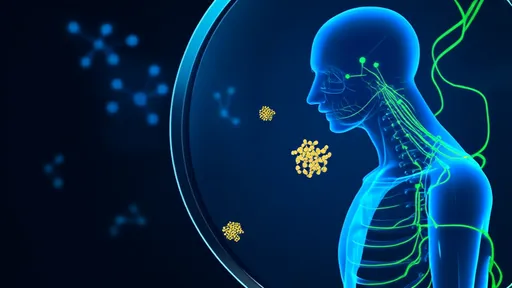
The impact of gut metabolites on the brain is not limited to biochemical signaling. The vagus nerve, a major communication highway between the gut and the brain, also plays a central role. Metabolites like SCFAs can stimulate the vagus nerve, sending signals that influence stress responses and emotional regulation. This neural pathway provides a direct link between gut health and mental well-being, offering a potential explanation for why digestive disorders often coincide with anxiety and depression.
Emerging evidence suggests that gut metabolites may even influence the brain’s immune system. Microglia, the brain’s resident immune cells, are sensitive to changes in the gut environment. SCFAs, for example, can modulate microglial activity, reducing neuroinflammation and potentially slowing the progression of diseases like multiple sclerosis. This finding underscores the far-reaching effects of gut health on the central nervous system.
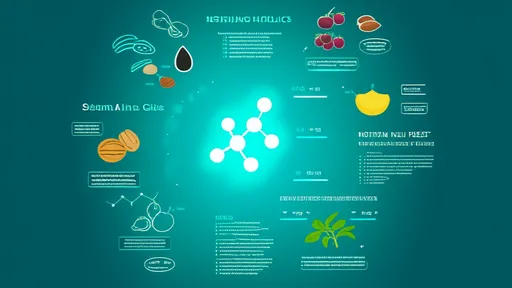
Dietary choices, of course, play a foundational role in shaping the gut microbiome and its metabolic output. A diet rich in fiber, fermented foods, and polyphenols can foster a diverse microbial community that produces beneficial metabolites. Conversely, highly processed diets laden with sugar and artificial additives may disrupt this balance, leading to the production of harmful compounds like lipopolysaccharides (LPS), which can trigger inflammation and impair cognitive function.
The implications of this research extend beyond prevention to potential treatments. Probiotics, prebiotics, and even fecal microbiota transplants are being explored as interventions to restore a healthy gut-brain axis. Personalized nutrition, tailored to an individual’s microbiome, may one day become a cornerstone of mental health care. While much remains to be discovered, the connection between gut metabolites and brain health is a testament to the profound interdependence of our bodily systems.
As science continues to unravel the complexities of the gut-brain axis, one thing becomes clear: nurturing our gut health is not just about digestion—it’s about safeguarding our minds. From the foods we eat to the microbes we harbor, every choice ripples through this intricate network, shaping our cognitive and emotional well-being in ways we are only beginning to understand.

By /Jul 14, 2025
By /Jul 14, 2025

By /Jul 14, 2025

By /Jul 14, 2025

By /Jul 14, 2025
By /Jul 14, 2025

By /Jul 14, 2025

By /Jul 14, 2025
By /Jul 14, 2025

By /Jul 14, 2025

By /Jul 14, 2025

By /Jul 14, 2025
By /Jul 14, 2025

By /Jul 14, 2025

By /Jul 14, 2025

By /Jul 14, 2025

By /Jul 14, 2025

By /Jul 14, 2025

By /Jul 14, 2025

By /Jul 14, 2025
