Optimizing Eating Window: Strategies for Time Nutrition

Jul 14, 2025 By

In recent years, the field of chrononutrition has gained significant attention for its focus on how the timing of meals influences metabolic health. Unlike traditional dietary approaches that emphasize what to eat, chrononutrition explores when to eat, aligning food intake with the body's internal clock. This emerging science suggests that optimizing eating windows can enhance weight management, improve energy levels, and reduce the risk of chronic diseases.

The human body operates on a circadian rhythm, a 24-hour cycle that regulates physiological processes such as sleep, hormone secretion, and metabolism. Disrupting this rhythm, whether through irregular sleep patterns or erratic meal timing, can lead to metabolic dysfunction. Research indicates that consuming calories during the body's most active phases—typically earlier in the day—promotes better digestion and nutrient utilization. Conversely, late-night eating has been linked to glucose intolerance and weight gain, even when total caloric intake remains unchanged.

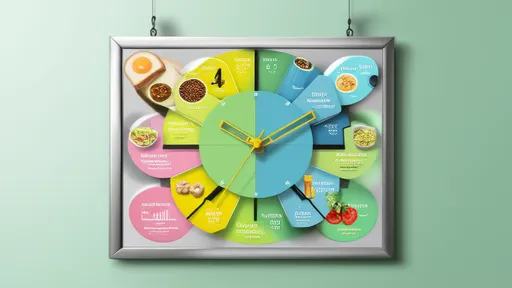
One of the most studied strategies in chrononutrition is time-restricted eating (TRE), which confines daily food consumption to a specific window, often ranging from 8 to 12 hours. TRE aligns with the body's natural circadian rhythms by allowing extended fasting periods, which may trigger cellular repair processes like autophagy. Studies on TRE have shown promising results, including improved insulin sensitivity and reduced inflammation. However, the optimal eating window can vary based on individual lifestyles, activity levels, and genetic predispositions.

The timing of macronutrient intake also plays a crucial role in chrononutrition. For instance, consuming carbohydrates earlier in the day, when insulin sensitivity is higher, may prevent blood sugar spikes. Protein intake, particularly in the morning, has been associated with increased muscle synthesis and satiety. Meanwhile, fats—especially healthy unsaturated fats—can be better metabolized during midday or early evening. Tailoring macronutrient distribution to align with circadian rhythms may amplify the benefits of time-restricted eating.

Shift workers and individuals with irregular schedules face unique challenges in applying chrononutrition principles. Night shifts disrupt the body's natural alignment with light-dark cycles, often leading to metabolic disturbances. For these populations, maintaining consistent meal times—even if they deviate from conventional daylight hours—can help mitigate some of the adverse effects. Prioritizing nutrient-dense foods and avoiding processed snacks during late-night hours is particularly important for sustaining energy and metabolic health.

Beyond weight management, chrononutrition has implications for longevity and cognitive function. Animal studies suggest that caloric restriction within specific time frames extends lifespan and delays age-related diseases. In humans, intermittent fasting protocols, such as the 16:8 method (16 hours of fasting followed by an 8-hour eating window), have been linked to improved brain function and reduced oxidative stress. While more long-term studies are needed, these findings highlight the potential of timed eating as a tool for healthy aging.

Practical application of chrononutrition requires a personalized approach. Factors such as age, gender, and underlying health conditions influence how individuals respond to different eating windows. For example, older adults may benefit from slightly longer eating periods to maintain muscle mass, while athletes might require strategic nutrient timing around workouts. Listening to hunger cues and adjusting meal schedules accordingly can help individuals find a sustainable rhythm that supports their unique needs.

As research in chrononutrition continues to evolve, it is becoming clear that meal timing is just as critical as meal composition. While no single approach works for everyone, the principles of aligning food intake with circadian rhythms offer a science-backed framework for optimizing health. Whether through time-restricted eating, mindful macronutrient distribution, or consistent meal schedules, small adjustments in timing can yield significant metabolic benefits over time.

Recommend Posts
Health

Regulations for the Circulation of Electronic Prescriptions

By /Jul 14, 2025

The digital transformation of healthcare has brought about significant changes in how medical prescriptions are managed and processed. Among these advancements, the standardization of electronic prescription (e-prescription) circulation has emerged as a critical component in ensuring efficiency, accuracy, and security in the healthcare ecosystem. As countries worldwide adopt digital health solutions, the need for a unified framework governing e-prescription circulation becomes increasingly apparent.
Health

Standards for Interpreting Genomic Data

By /Jul 14, 2025

The interpretation of genomic data has become a cornerstone of modern biomedical research, clinical diagnostics, and personalized medicine. As sequencing technologies advance and costs decline, the volume of genomic information available to researchers and clinicians has grown exponentially. However, the sheer complexity of this data presents significant challenges in establishing standardized interpretation frameworks that ensure accuracy, consistency, and clinical relevance.
Health

Construction of Medical Resource Sharing Platform

By /Jul 14, 2025

The concept of a healthcare resource-sharing platform has gained significant traction in recent years as governments, hospitals, and private organizations seek innovative ways to optimize medical services. These platforms aim to bridge gaps in healthcare accessibility, reduce inefficiencies, and improve patient outcomes by enabling seamless collaboration among stakeholders. The push for such systems has been further accelerated by the global pandemic, which exposed critical weaknesses in traditional healthcare infrastructure.
Health

Collaborative Mechanism of Tiered Medical Treatment

By /Jul 14, 2025

The concept of tiered healthcare delivery has gained significant traction in recent years as nations grapple with the dual challenges of rising medical costs and uneven access to quality care. At its core, this approach seeks to create a seamless patient journey through different levels of care, from primary physicians to specialized hospitals, with each tier functioning not in isolation but as interconnected components of a larger health ecosystem.
Health

Guidelines for Adjusting Nutritional Needs with Altitude Changes

By /Jul 14, 2025

As adventurers and athletes increasingly explore high-altitude environments, understanding how nutritional needs shift with elevation becomes critical. The human body undergoes significant physiological changes when exposed to reduced oxygen levels, colder temperatures, and increased ultraviolet radiation. These changes demand careful adjustments in dietary intake to maintain energy, performance, and overall health. Whether you're a mountaineer, a trekker, or someone relocating to a high-altitude region, adapting your nutrition can make the difference between thriving and struggling.
Health

Anti-Inflammatory Diet Ingredient Combination Formula (2025 Edition)

By /Jul 14, 2025

The concept of anti-inflammatory eating has evolved significantly over the past decade, and the 2025 edition of dietary guidelines brings a fresh perspective on how to harness food as medicine. Unlike restrictive diets of the past, the new approach emphasizes flexibility, flavor, and sustainability while targeting chronic inflammation at its root. Researchers now understand that inflammation isn’t just about single "superfoods" but rather the symphony of nutrients working together across meals.
Health

Standardized Curriculum for Health Education

By /Jul 14, 2025

The standardization of health education curricula has emerged as a critical factor in shaping effective public health interventions worldwide. As societies grapple with evolving health challenges, the need for structured, evidence-based health education programs becomes increasingly apparent. These standardized courses serve as the backbone for equipping individuals with essential knowledge and skills to make informed decisions about their well-being.
Health

Quantitative Association between Food Processing Degree and Chronic Disease Risk

By /Jul 14, 2025

The relationship between food processing and chronic disease risk has emerged as a critical area of scientific inquiry in recent years. As global dietary patterns shift toward convenience and shelf-stable products, researchers are uncovering troubling associations between the degree of food processing and long-term health outcomes. This complex interplay between modern food production methods and human biology raises fundamental questions about how industrialization of our food supply may be quietly reshaping population health trajectories.
Health

Mechanisms by Which Gut Metabolites Influence Brain Health

By /Jul 14, 2025

The intricate relationship between gut metabolites and brain health has emerged as one of the most fascinating frontiers in modern medical research. Scientists are increasingly uncovering how the byproducts of our gut microbiota—tiny molecules produced during digestion—can influence cognitive function, mood, and even the risk of neurodegenerative diseases. This bidirectional communication, often referred to as the gut-brain axis, is reshaping our understanding of mental and neurological health.
Health

Nutrient Retention Rate Comparison of Different Cooking Appliances

By /Jul 14, 2025

In the realm of modern cooking, the choice of kitchen appliances extends far beyond convenience and speed. Increasingly, health-conscious consumers are scrutinizing how different cooking methods affect the nutritional value of their meals. The debate over which cooking tool best preserves vitamins, minerals, and other essential nutrients has sparked considerable research—and some surprising revelations.
Health

Paths to Enhancing First Aid Skill Popularization

By /Jul 14, 2025

The global healthcare landscape has witnessed a growing recognition of the critical role that first aid skills play in saving lives during emergencies. From sudden cardiac arrests to traumatic injuries, the minutes before professional medical help arrives often determine survival outcomes. Yet, despite this understanding, first aid literacy remains unevenly distributed across populations, with socioeconomic factors creating stark disparities in access to training.
Health

Medical Quality Evaluation Indicator System

By /Jul 14, 2025

The evaluation of healthcare quality has become a cornerstone in modern medical systems, shaping policies, patient outcomes, and institutional accountability. As healthcare systems worldwide strive for excellence, the development and implementation of robust healthcare quality evaluation indicator systems have gained prominence. These frameworks serve as vital tools for measuring performance, identifying gaps, and driving continuous improvement in patient care.
Health

Recent Discoveries on the Synergistic Effects of Micronutrients

By /Jul 14, 2025

The intricate dance of micronutrients within the human body has long fascinated researchers, but recent breakthroughs have unveiled a far more complex choreography than previously imagined. What was once viewed as a collection of individual nutrients working in isolation is now understood to be a sophisticated network of synergistic relationships that fundamentally alter our approach to nutrition and health.
Health

Community Model for Chronic Disease Management

By /Jul 14, 2025

The concept of chronic disease management within community settings has gained significant traction in recent years as healthcare systems worldwide grapple with the rising burden of non-communicable diseases. Unlike traditional hospital-centric models, community-based approaches emphasize localized care, patient empowerment, and long-term sustainability. These models recognize that managing conditions like diabetes, hypertension, and cardiovascular diseases requires more than episodic clinical interventions—it demands continuous engagement within the environments where people live and work.
Health

Mechanism for the Integration of Rehabilitation Medicine

By /Jul 14, 2025

The seamless transition between acute care and rehabilitation services remains one of the most critical yet often overlooked aspects of modern healthcare systems. As populations age and chronic conditions become more prevalent, the need for effective rehabilitation care coordination has never been greater. Yet despite its importance, many patients still fall through the cracks during this vulnerable period of recovery.
Health

Technical Grading of Medical Robots

By /Jul 14, 2025

The evolution of medical robotics has ushered in a new era of precision, efficiency, and safety in healthcare. These sophisticated machines are no longer confined to the realms of science fiction but have become indispensable tools in modern medicine. As the technology matures, it has become increasingly important to classify medical robots based on their technical capabilities, applications, and levels of autonomy. Understanding these gradations is critical for healthcare providers, policymakers, and manufacturers alike, as it informs decision-making regarding adoption, regulation, and further innovation.
Health

Optimizing Eating Window: Strategies for Time Nutrition

By /Jul 14, 2025

In recent years, the field of chrononutrition has gained significant attention for its focus on how the timing of meals influences metabolic health. Unlike traditional dietary approaches that emphasize what to eat, chrononutrition explores when to eat, aligning food intake with the body's internal clock. This emerging science suggests that optimizing eating windows can enhance weight management, improve energy levels, and reduce the risk of chronic diseases.
Health

Family Doctor Contracted Services Content

By /Jul 14, 2025

The concept of family doctor contracting services has gained significant traction in recent years as healthcare systems worldwide strive to provide more personalized and continuous care. This model, which emphasizes long-term relationships between patients and their primary care physicians, is designed to improve health outcomes while reducing unnecessary hospital visits. At its core, the service revolves around a contractual agreement where a family doctor becomes the first point of contact for a patient’s medical needs, offering comprehensive care that spans prevention, diagnosis, treatment, and follow-up.
Health

Construction of Rare Disease Diagnosis and Treatment Network

By /Jul 14, 2025

The establishment of robust rare disease diagnosis and treatment networks has emerged as a critical priority in global healthcare systems. As nations grapple with the complexities of identifying and managing these often-overlooked conditions, collaborative frameworks are proving indispensable. These networks represent more than just medical infrastructure—they embody a fundamental shift in how societies address health inequities for vulnerable patient populations.
Health

Anonymous Data Processing for Health Big Data

By /Jul 14, 2025

The rapid advancement of digital health technologies has ushered in an era where vast amounts of health data are generated daily. From electronic health records to wearable devices, the healthcare industry is swimming in data that holds immense potential for improving patient outcomes and advancing medical research. However, this treasure trove of information comes with significant privacy concerns, making anonymization a critical process in the responsible handling of health data.