In the realm of modern cooking, the choice of kitchen appliances extends far beyond convenience and speed. Increasingly, health-conscious consumers are scrutinizing how different cooking methods affect the nutritional value of their meals. The debate over which cooking tool best preserves vitamins, minerals, and other essential nutrients has sparked considerable research—and some surprising revelations.
Steaming has long been heralded as the gold standard for nutrient retention, particularly for vegetables. Unlike boiling, which leaches water-soluble vitamins like C and B into the cooking liquid, steaming gently cooks food through indirect heat. A study published in the Journal of Agricultural and Food Chemistry found that broccoli retained nearly 90% of its vitamin C when steamed, compared to a 34% retention rate when boiled. The sealed environment of a steamer minimizes exposure to oxygen, further reducing oxidative loss of sensitive compounds like flavonoids and polyphenols.
Pressure cookers, once associated with overcooked mushy vegetables, have undergone a renaissance in nutritional circles. The high-pressure environment allows food to cook at lower temperatures than conventional boiling, despite the shorter cooking time. Research from the University of California demonstrated that pressure-cooked beans retained 20% more iron and folate compared to traditionally boiled legumes. The airtight chamber prevents volatile nutrients from escaping with steam, making it particularly effective for preserving thiamine and other heat-sensitive B vitamins that are typically degraded in open cooking vessels.
Microwave ovens might seem like an unlikely hero in nutrient preservation, but their efficiency tells a different story. The rapid cooking time—often just minutes—and minimal water usage work in their favor. A Harvard Medical School analysis revealed that microwaved spinach kept 90% of its vitamin K, compared to 50% in boiled spinach. The electromagnetic waves agitate water molecules within the food itself, creating internal heat that cooks vegetables without requiring excessive external temperatures that destroy delicate phytonutrients.
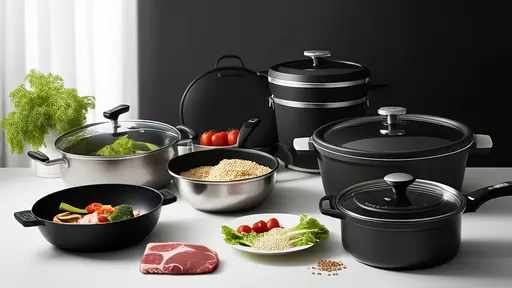
Cast iron cookware introduces an intriguing nutritional variable—iron fortification. Acidic foods like tomato sauce or apple compote can absorb trace amounts of iron from the pan surface, potentially boosting dietary iron intake. A Journal of Food Science study showed that cooking in cast iron increased the iron content of foods by up to 16%. However, this benefit comes with caveats; the same reactive properties may degrade heat-sensitive antioxidants like vitamin C when cooked for prolonged periods.
Air fryers have surged in popularity as a healthier alternative to deep frying, but their nutrient preservation profile is more nuanced. While they outperform deep frying by preserving fat-soluble vitamins A, D, E, and K that would otherwise leach into cooking oil, the intense circulating heat can degrade certain antioxidants. Food Chemistry journal reports that air-fried sweet potatoes lost 30% more beta-carotene than steamed versions, though they still retained significantly more than traditional fried foods.
The humble slow cooker presents a paradox. While prolonged cooking times would seem detrimental, the low temperatures (typically 170-280°F) and sealed environment create conditions similar to laboratory-grade incubators. A Cornell University study found that slow-cooked tomatoes developed 30% more bioavailable lycopene than fresh counterparts, as the gentle heat breaks down cell walls without destroying the compound. However, water-soluble vitamins like folate gradually diminish over the extended cooking period.
Traditional wok cooking, with its rapid stir-frying technique, offers unexpected nutritional advantages. The brief exposure to high heat—when properly executed—can preserve crispness and nutrients better than prolonged simmering. Chinese University of Hong Kong researchers noted that stir-fried vegetables retained more glucosinolates (cancer-fighting compounds found in cruciferous vegetables) than boiled versions. The key lies in using minimal oil and maintaining constant motion to prevent localized overheating that destroys nutrients.
Dehydrators occupy a unique niche in nutrient preservation. By removing water at low temperatures (typically 95-155°F), they prevent the thermal degradation that occurs in conventional oven drying. USDA research indicates that properly dehydrated fruits retain up to 80% of their original vitamin content, compared to 40% in sun-dried alternatives. The concentration effect can actually increase the per-gram density of certain minerals and fiber, though some heat-sensitive enzymes are inevitably lost.
Blenders and juicers represent two divergent approaches to raw food preparation with markedly different nutritional outcomes. High-speed blending preserves the entire fruit or vegetable, including fiber that slows sugar absorption, whereas juicing extracts only the liquid components. A Journal of Nutrition study found that blended smoothies maintained 90% of the original produce's antioxidant capacity, while centrifugal juicers lost up to 30% of flavonoids due to oxidation during processing. Masticating juicers performed better, retaining about 85% of nutrients through their slower, oxygen-minimizing extraction method.
As research continues to evolve, one truth becomes clear: no single cooking method perfectly preserves all nutrients. The optimal approach involves strategic pairing—using pressure cookers for legumes, steamers for delicate greens, and raw preparation for enzyme-rich foods. Understanding these nuances empowers home cooks to maximize nutritional benefits while still enjoying the cultural and sensory pleasures of varied cooking techniques.

By /Jul 14, 2025

By /Jul 14, 2025

By /Jul 14, 2025

By /Jul 14, 2025

By /Jul 14, 2025
By /Jul 14, 2025

By /Jul 14, 2025
By /Jul 14, 2025

By /Jul 14, 2025
By /Jul 14, 2025

By /Jul 14, 2025

By /Jul 14, 2025

By /Jul 14, 2025

By /Jul 14, 2025

By /Jul 14, 2025

By /Jul 14, 2025
By /Jul 14, 2025

By /Jul 14, 2025

By /Jul 14, 2025

By /Jul 14, 2025
