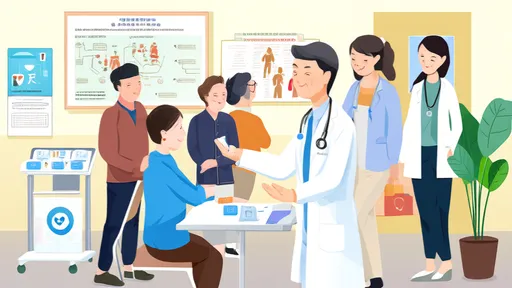
The concept of family doctor contracting services has gained significant traction in recent years as healthcare systems worldwide strive to provide more personalized and continuous care. This model, which emphasizes long-term relationships between patients and their primary care physicians, is designed to improve health outcomes while reducing unnecessary hospital visits. At its core, the service revolves around a contractual agreement where a family doctor becomes the first point of contact for a patient’s medical needs, offering comprehensive care that spans prevention, diagnosis, treatment, and follow-up.
One of the most notable aspects of family doctor contracting services is the emphasis on preventive care. Unlike traditional healthcare models that often focus on treating illnesses after they occur, this approach prioritizes early intervention and health maintenance. Family doctors work closely with patients to develop personalized health plans that include regular screenings, vaccinations, and lifestyle counseling. By addressing potential health issues before they escalate, this model not only improves individual well-being but also alleviates the burden on healthcare systems.
The scope of services provided under these contracts is remarkably broad. From managing chronic conditions like diabetes and hypertension to offering mental health support, family doctors act as coordinators of care. They ensure that patients receive timely referrals to specialists when needed while maintaining oversight of their overall health. This continuity of care is particularly beneficial for elderly patients or those with complex medical histories, as it reduces fragmentation and enhances the quality of treatment.
Trust and communication form the bedrock of successful family doctor contracting services. Patients are more likely to adhere to medical advice and attend regular check-ups when they have a stable relationship with their physician. This dynamic fosters open dialogue, enabling doctors to better understand their patients’ unique needs and concerns. In turn, this familiarity allows for more accurate diagnoses and tailored treatment plans, ultimately leading to higher patient satisfaction and better health outcomes.
Another critical component of these services is the use of technology to streamline care delivery. Many family doctor contracts now include digital health tools such as telemedicine platforms, electronic health records, and remote monitoring devices. These innovations not only improve accessibility for patients in remote areas but also enhance the efficiency of care. For instance, virtual consultations can reduce wait times, while wearable devices enable real-time tracking of vital signs, allowing doctors to intervene promptly if abnormalities arise.
The financial implications of family doctor contracting services are equally noteworthy. By focusing on preventive care and early intervention, this model has the potential to reduce healthcare costs significantly. Fewer emergency room visits and hospital admissions translate into substantial savings for both patients and healthcare systems. Moreover, the predictable nature of contracted services allows for better budgeting and resource allocation, making it an attractive option for policymakers and insurers alike.
Despite its many advantages, the widespread adoption of family doctor contracting services faces several challenges. In some regions, there is a shortage of primary care physicians, making it difficult to meet the growing demand for these services. Additionally, cultural attitudes toward healthcare may need to shift in areas where patients are accustomed to seeking specialist care directly. Overcoming these barriers requires targeted investments in medical education, public awareness campaigns, and infrastructure development to ensure that the benefits of this model reach all segments of the population.
Looking ahead, the future of family doctor contracting services appears promising. As healthcare systems continue to evolve, the emphasis on patient-centered, holistic care is likely to grow. Innovations in artificial intelligence and data analytics may further enhance the capabilities of family doctors, enabling even more precise and proactive care. Ultimately, this model represents a significant step toward a more sustainable and effective healthcare system, one that prioritizes long-term well-being over episodic treatment.

By /Jul 14, 2025

By /Jul 14, 2025

By /Jul 14, 2025

By /Jul 14, 2025

By /Jul 14, 2025

By /Jul 14, 2025

By /Jul 14, 2025

By /Jul 14, 2025

By /Jul 14, 2025

By /Jul 14, 2025

By /Jul 14, 2025

By /Jul 14, 2025

By /Jul 14, 2025
By /Jul 14, 2025

By /Jul 14, 2025

By /Jul 14, 2025

By /Jul 14, 2025

By /Jul 14, 2025
By /Jul 14, 2025
By /Jul 14, 2025
